Padel: The Complete Guide to the World’s Fastest-Growing Racket Sport
Padel has exploded from a niche pastime to a global phenomenon, and there’s a good chance you’ve seen courts popping up in your city. This guide breaks down everything you need to know—from rules and equipment to where to play—so you can get on a padel court this week.
Key Takeaways
- Padel is a doubles racket sport played on a small enclosed court (20 × 10 m) with glass and mesh walls that keep the ball in play, making it distinct from tennis, squash, and pickleball.
- The sport has grown to an estimated 30–35 million players worldwide by 2026, with Spain leading (5 million players, 20,000+ courts) and rapid expansion across Europe, the US, Gulf states, and Argentina.
- Beginners can rally within 20–30 minutes thanks to underarm serves, forgiving equipment, and walls that extend rallies—making it ideal for mixed ages and skill levels.
- M Padel is your dedicated resource for discovering quality clubs and facilities near you.
- Ready to try it? Book a court, join a group session, or ask our team for guidance.
What Is Padel?
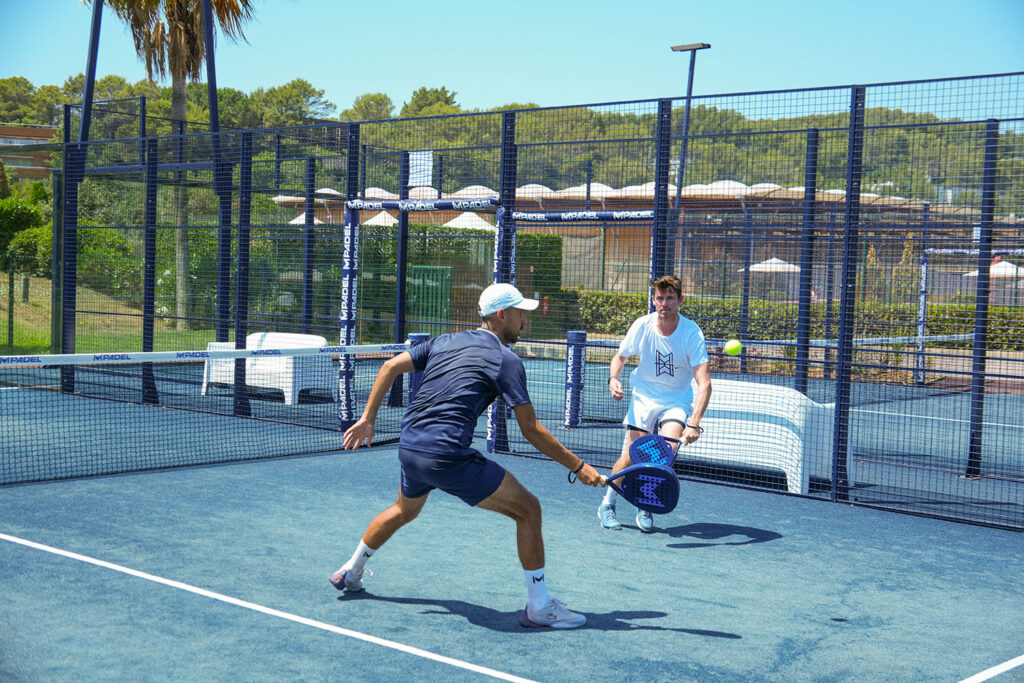
Padel is a fast-paced racket sport that blends the best elements of tennis, squash, and pickleball into something uniquely addictive. Played on a smaller enclosed court surrounded by glass and metallic mesh walls, it transforms missed shots into strategic opportunities.
Matches are almost always doubles (2 vs 2), using the same scoring system as tennis (15–30–40–game). The key difference? Serves are underarm, and the ball bounces off walls to stay in play. This makes the game intuitive for beginners while offering depth for experienced players.
The sport was invented in Acapulco, Mexico in 1969 and has since transformed into one of the fastest-growing sports globally. Expect long rallies, constant movement, and close proximity to both your partner and opponents. The result is a gameplay experience that’s as social as it is fun.
Why Padel Is Exploding in Popularity
Between 2015 and 2026, padel moved from obscure pastime to mainstream sensation. The numbers tell the story: Spain now has around 5 million players and over 20,000 courts, making padel the country’s second most popular sport after football. Globally, projections estimate 30–35 million players by 2026.
What’s driving this growth?
Factor | Impact |
Low learning curve | Beginners rally within 20–30 minutes |
Social format | Doubles play encourages group participation |
Physical accessibility | Shorter sprints, softer surfaces than tennis |
Club culture | Mix-ins, leagues, and corporate events build community |
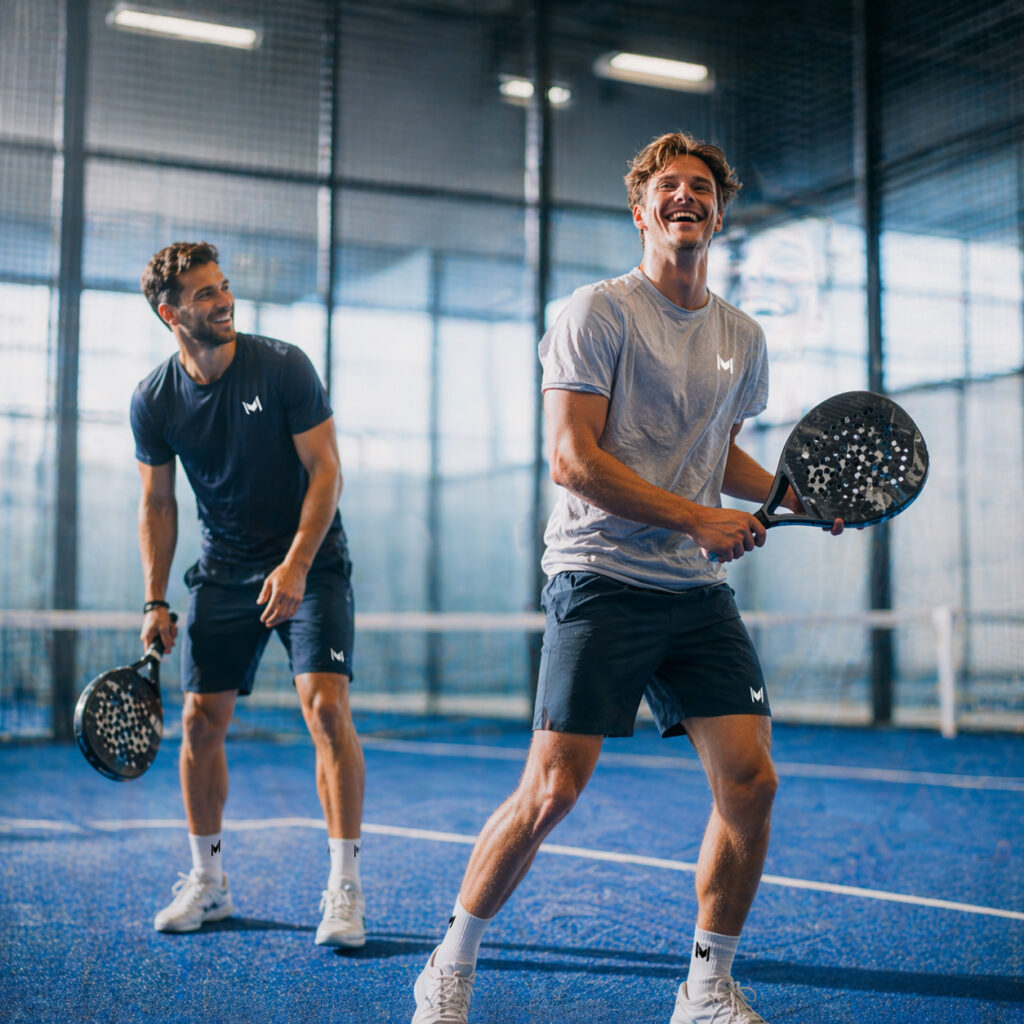
The sport attracts families, former athletes, and total newcomers alike. Locals gather for after-work leagues, while professional circuits broadcast to millions via TV and streaming platforms. Whether you want casual fun or competitive play, padel delivers.
The Padel Court
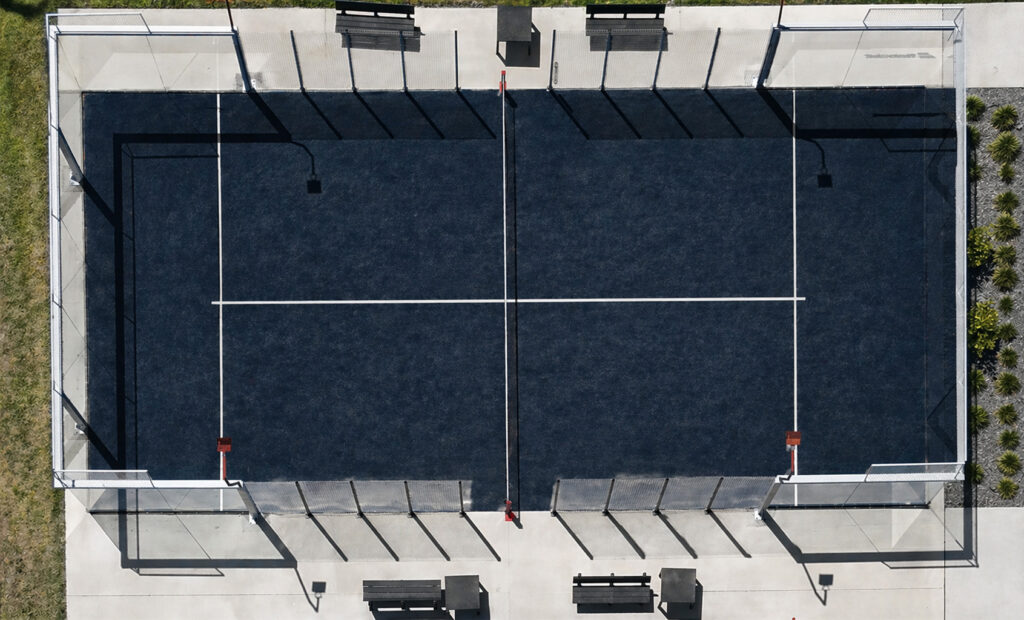
A padel court is an enclosed rectangle measuring 20 meters long by 10 meters wide—significantly smaller than a standard tennis court. A net divides the centre at approximately 88 cm height (slightly lower than tennis).
The defining feature? The walls. Back walls are typically solid glass panels reaching about 3 meters, extended with metallic mesh up to 4 meters total. Side walls combine glass and mesh sections, allowing the ball to rebound into play rather than going out.
Key markings include:
- Service lines positioned 6.95 meters from the net
- A central service line dividing service boxes
- Baseline areas where servers stand
Standard courts support doubles only. Singles courts (narrower at 20 × 6 m) exist but are uncommon. Clubs in Mediterranean regions often feature outdoor courts, while Nordic countries like Sweden favor fully indoor facilities with heating. Semi-covered options work well in mixed climates like France or the UK.
Padel Racquet & Ball
Padel uses solid, stringless racquets that give the game its controlled yet dynamic feel. Unlike tennis, there’s no string bed—just a perforated composite face that absorbs and redirects power.
Racquet characteristics:
- Length: 45–46 cm (shorter than tennis)
- Materials: Carbon fiber, fiberglass, EVA foam core
- Shapes: Round (control), teardrop (balanced), diamond (power)
The ball resembles a tennis ball but features lower pressure, creating longer rallies and better control inside the enclosed playing field. Serves must be underarm, with the ball bouncing once before contact—eliminating the serving power advantage that dominates tennis.
New players should start with a round-shaped, control-focused racquet. Many clubs offer rental gear, so you don’t need to invest upfront.
Basic Rules & Scoring
Scoring follows tennis conventions: games, sets, and tiebreaks. A match is typically best-of-three sets, with tiebreaks at 6–6. Some tournaments use “golden point” rules at deuce for faster resolution.
How a point starts:
- Server stands behind the baseline
- Ball bounces once, then hit underarm below waist height
- Ball must land in the diagonal service box
After the serve, the ball may bounce once on the ground and can then be played directly or after hitting the glass or mesh walls. The rally continues until:
- The ball bounces twice on the court
- A player hits into the net
- The ball goes out without using the walls correctly
- A double fault occurs on serve
The wall usage distinguishes padel from other racket sports—a ball heading “out” can rebound off the back walls and remain in play, rewarding strategic shots over raw power.
History & Global Growth of Padel
The first padel court was built in 1969 by Enrique Corcuera at his house in Acapulco, Mexico. Initially designed as a modified squash space with 3-meter walls and a central net, it sparked a revolution that reached Spain by the early 1970s.
Spanish resorts in Marbella adopted the sport quickly, and by the 1980s, padel had spread throughout the country. Argentina embraced it simultaneously, developing one of the world’s strongest padel cultures and producing top professional players who continue to dominate today.
Key milestones:
- 1991: International Padel Federation (FIP) founded, governing 100+ nations
- 1992: First World Championships held in Madrid and other cities
- 2005: Padel Pro Tour established as first major professional circuit
- 2013: World Padel Tour launched
- 2022: Premier Padel introduced, supported by Qatar Sports Investments
- 2024: Major professional circuits unified under Premier Padel
By 2026, the FIP oversees federations across Europe, the Americas, Asia, and the Middle East, with tens of millions of recreational players worldwide.
Playing Style, Strategy & Who Padel Is For
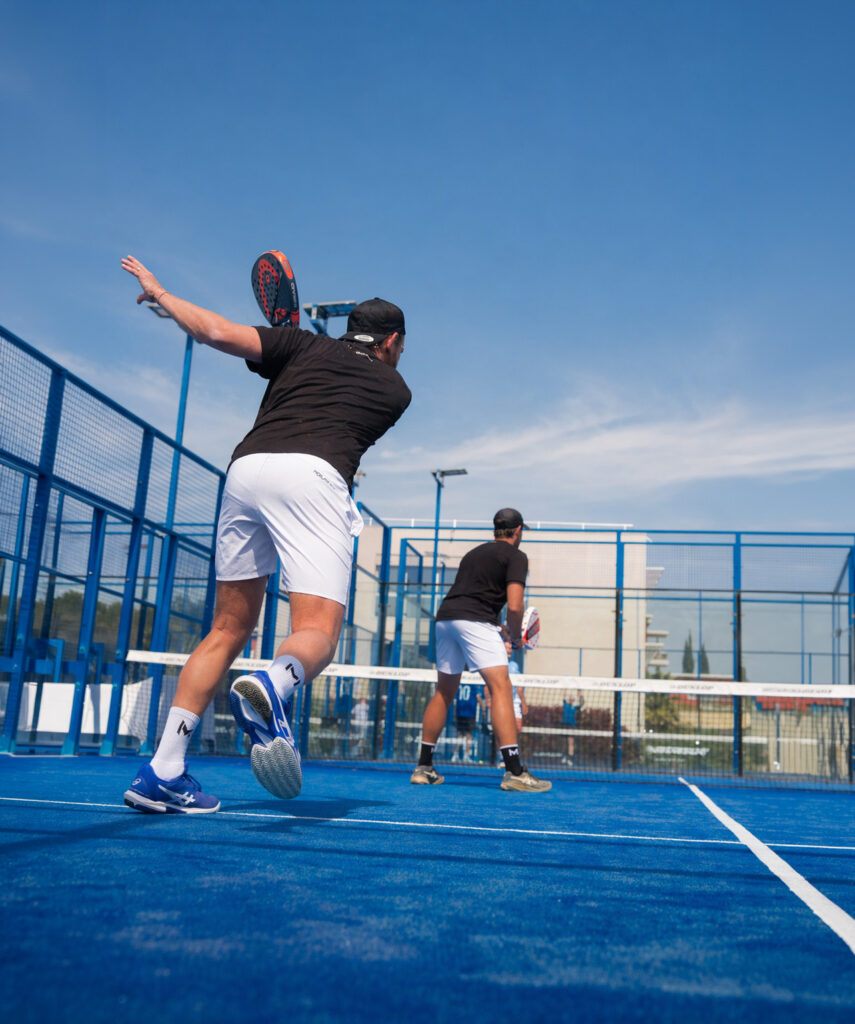
Padel’s rhythm revolves around long rallies, heavy use of lobs and volleys, and constant positioning with your partner. Success relies more on smart anticipation and teamwork than raw athleticism—which is why mixed ages and genders compete on relatively equal terms.
Each team’s two players coordinate movement and shot selection:
- Right-side player: Often handles smashes and lobs
- Left-side player: Typically focuses on control and volleys
This makes padel ideal for:
- Juniors seeking coordination and fun
- Adults wanting a social workout
- Seniors looking for a joint-friendly sport
- Ex-tennis or squash players wanting something similar but fresh
Basic strategy emphasizes the drop shot, wall angles, and maintaining net position. Learn tactics and etiquette at your local club—M Padel-supported facilities often offer intro clinics and group sessions.

Where to Play Padel & How M Padel Helps
Padel courts are rapidly appearing across Europe, the Middle East, North America, and beyond. Many are attached to tennis clubs, while standalone padel facilities and multi-sport centres are increasingly common.
Regional snapshot:
Region | Court Growth |
Spain | 22,000+ courts |
Italy | 5,000+ courts |
France | 4,000+ courts, 20% annual growth |
UAE | 500+ facilities |
US | 600+ facilities and expanding |
Canada | Emerging market with new clubs opening |
Typical club offerings include pay-and-play bookings, membership models, coaching programs, equipment rental, and social events for corporate outings or open mixed play.
M Padel exists to make padel more accessible. We connect players with quality venues and save you the hassle of searching—whether you’re in established markets like Spain or emerging hubs in the Gulf.
Ready to play? Find the nearest padel court, check opening hours, and book your first game.
FAQ
Is padel suitable for complete beginners with no racket sport experience?
Absolutely. Padel is one of the most beginner-friendly racket sports available. The rules are simple, the equipment is forgiving, and the walls keep rallies going even when you miss. Most new players can enjoy basic rallies in a single 60-minute session with a coach or experienced friend. Book a beginner-friendly court or intro lesson.
What should I wear and bring for my first padel session?
Wear comfortable sports clothing and court shoes with good lateral support (similar to tennis shoes). Bring a water bottle and optionally a sweatband or cap. Many clubs rent padel racquets and sell balls at reception, so owning gear isn’t necessary for your first try. Confirm rental options when you book your chosen club.
How long does a typical padel match last?
Casual games are often booked in 60–90 minute slots. Formal matches using best-of-three sets can last from 45 minutes to over 2 hours, depending on skill level and rally length. Many beginners prefer flexible social play sessions rather than strict match formats initially.
Can I play padel if I have knee or shoulder issues?
Consult a medical professional first, as individual conditions vary. That said, padel involves shorter sprints and softer surfaces than many sports, which players with past injuries often find manageable when played moderately. Start with shorter sessions, proper warm-ups, and consider technique guidance from a coach at a local club.
Is padel the same as pickleball?
No—they’re different sports, though both use smaller courts and are often played in doubles. Padel is played on an enclosed 20 × 10 m court with glass and mesh walls, using solid racquets and depressurized balls. Pickleball uses a flat paddle and a plastic perforated ball on an open, net-only court without walls. If you’re confused about which to try, experience padel firsthand.